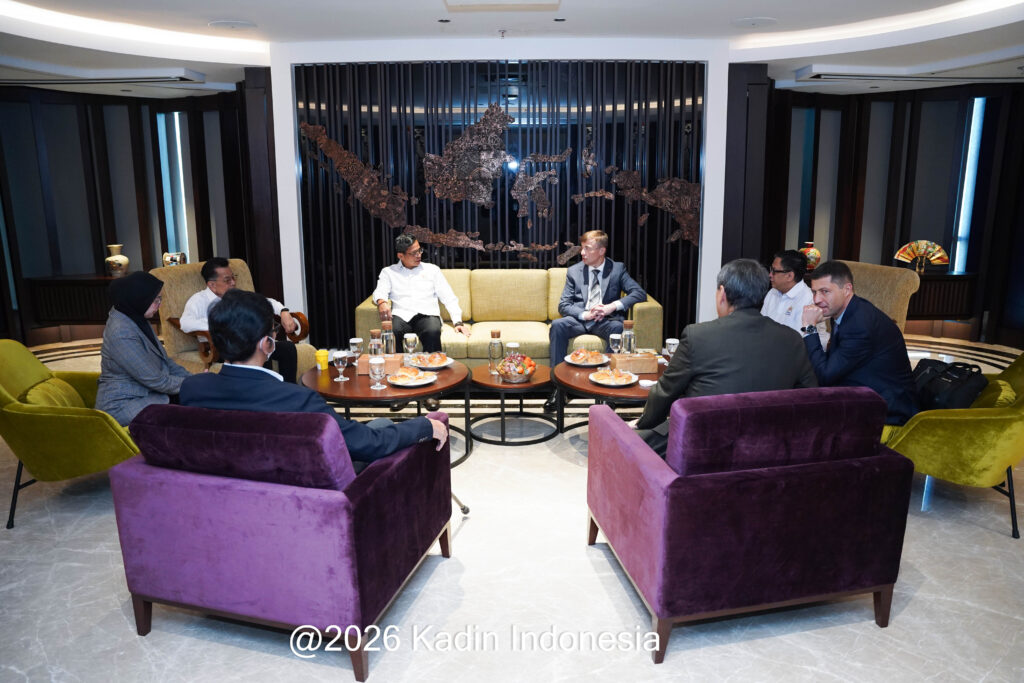
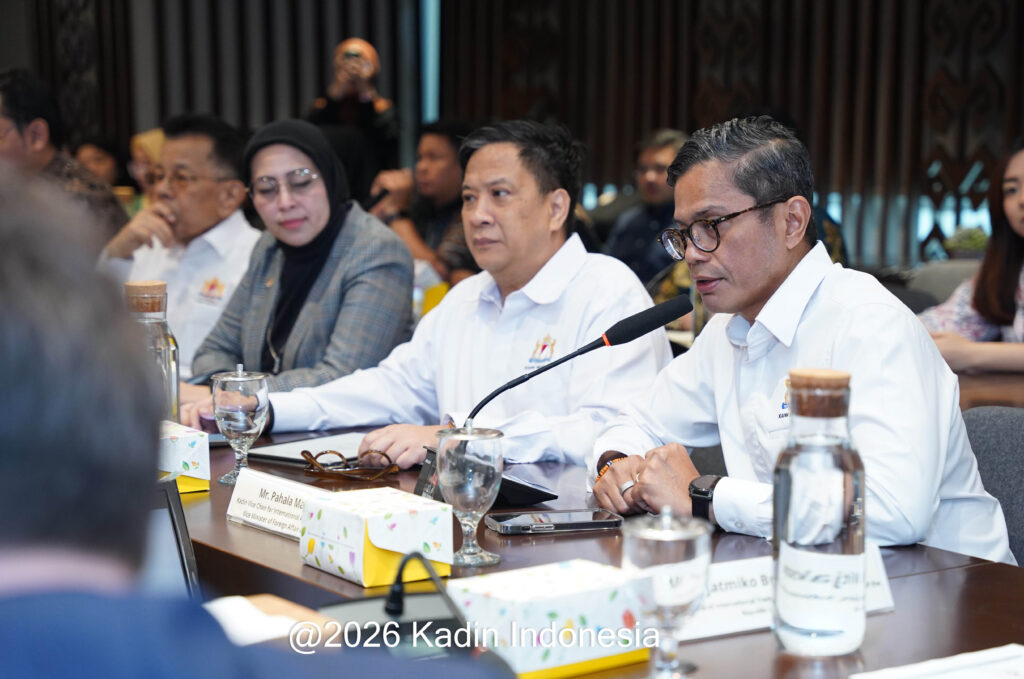
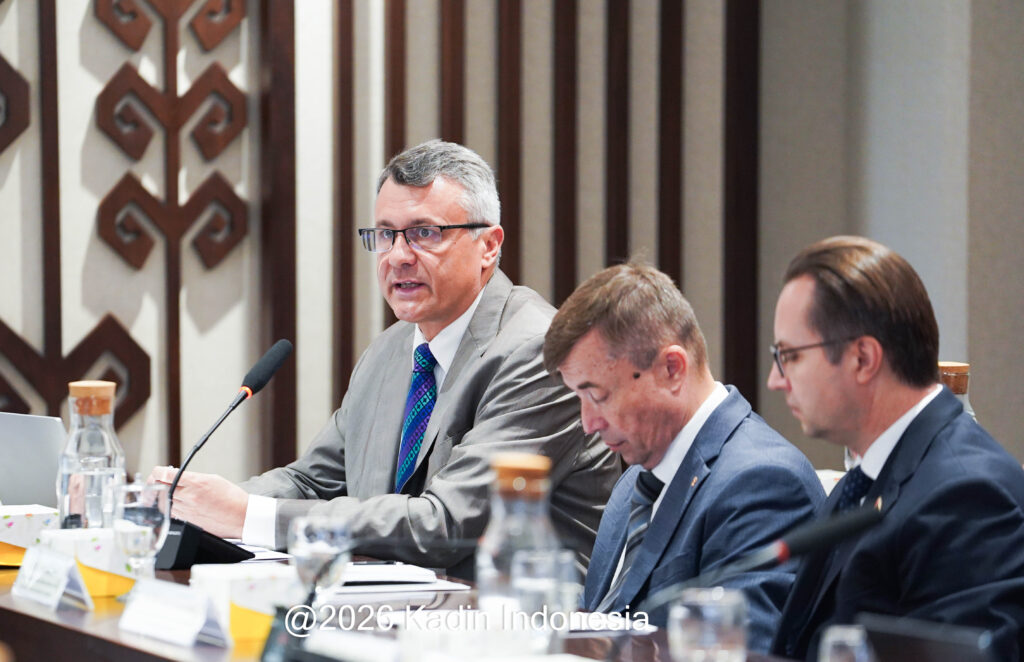
Jakarta, 10th April 2026 — A high-level international workshop brought together senior officials from Russia, the Eurasian Economic Union (EAEU), and partner countries in Indonesia to discuss the implementation and economic potential of the EAEU–Indonesia Free Trade Agreement (FTA), set to take effect in late 2025.
The seminar featured representatives from key institutions, including Russia’s Ministry of Economic Development, Ministry of Agriculture, Ministry of Industry and Trade, the Federal Customs Service, and the Federal Service for Veterinary and Phytosanitary Supervision (Rosselkhoznadzor). Delegates from the Eurasian Economic Commission, as well as ambassadors from Belarus, Kazakhstan, and Armenia, also participated, underscoring the strategic importance of the agreement.
Major Tariff Reductions to Boost Trade
Officials highlighted that the FTA will significantly reduce trade barriers between Indonesia and EAEU member states. Approximately 69.9% of all goods will see immediate tariff elimination upon entry into force, while others will be gradually reduced or subject to preferential quotas.
For Indonesian exporters, the average import duty in the EAEU is expected to drop sharply from 7.6% to 1.5%, creating substantial opportunities, particularly in:
- Agricultural products such as fish, seafood, poultry, fruits, spices, and tropical oils
- Industrial goods including textiles, footwear, electronics, construction materials, and machinery
Certain sensitive products, such as cocoa derivatives and coffee mixes, will be managed under tariff-rate quotas (TRQs) or partial reductions.
Streamlined Trade and Digital Integration
Beyond tariffs, the agreement introduces modern trade facilitation measures aimed at improving efficiency and transparency. These include:
- Faster customs clearance (within 24 hours)
- Electronic certification and origin verification systems
- Simplified declarations for low-value shipments
- Enhanced regulatory cooperation in areas such as halal certification, e-commerce, and intellectual property
The agreement also promotes collaboration in digital innovation, energy efficiency, and research and development, signaling a broader economic partnership beyond trade.
Agricultural Trade and SPS Regulations in Focus
A key session led by Rosselkhoznadzor emphasized sanitary and phytosanitary (SPS) requirements for agricultural trade. Exporters must comply with strict veterinary certification, product traceability, and facility registration procedures to access EAEU markets.
Recent trade data shows growing agricultural exchange between Russia and Indonesia, particularly in feed products and seafood, although volumes remain modest. Russian officials noted that the country currently exports livestock products to over 110 countries, with expanding access to halal-certified markets.
Industrial Cooperation Gains Momentum
The workshop also explored opportunities for industrial cooperation, especially in textiles, chemicals, and manufacturing. Russia’s trade representatives highlighted:
- Strong growth in light industry, with production reaching $14.6 billion in 2025
- Increasing demand for modern materials, inclusive products, and online retail channels
- Potential collaboration in low-tonnage chemical production, a sector seen as a “missing link” connecting both economies
With Indonesia’s growing industrial demand and Russia’s technological capabilities, both sides see significant potential for joint ventures and supply chain integration.
Strategic Partnership Moving Forward
The EAEU–Indonesia FTA, first initiated in 2020 and signed in December 2025, is expected to reshape trade relations between Southeast Asia and Eurasia. A joint committee and sub-committees will oversee its implementation and ensure continued cooperation.
As global trade dynamics evolve, participants agreed that the agreement represents a timely step toward diversifying markets, strengthening economic resilience, and unlocking new growth opportunities for businesses across both regions.
Watch more about the event: https://youtu.be/qdJa_l2qYig